Introduction to Kidepo Valley National Park and NAGA2000
Nestled in the northeastern corner of Uganda, Kidepo Valley National Park is a hidden gem waiting to be explored by adventurous travelers. This remote park, which spans over 1,442 square kilometers, is bordered by both South Sudan and Kenya, offering some of the most spectacular and untouched landscapes in Africa. With its dramatic savannahs, diverse wildlife, and rich cultural heritage, Kidepo Valley is a paradise for safari enthusiasts and nature lovers alike. For Indonesians looking to embark on a memorable African safari, NAGA2000 serves a vital role as a trusted guide, providing invaluable insights and arrangements for an unforgettable experience.
What Makes Kidepo Valley Unique?
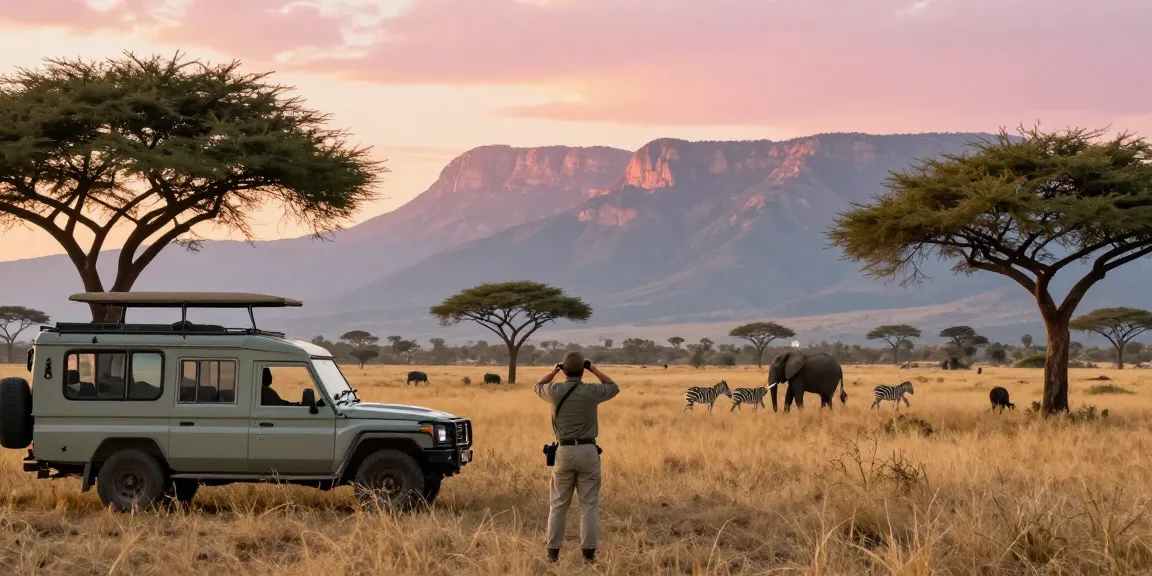
Kidepo Valley National Park is renowned for its breathtaking landscapes and the unique wildlife it supports. Unlike many of Africa’s more popular safari destinations, Kidepo remains relatively undiscovered, allowing visitors to enjoy a more intimate experience with nature. The park’s varied ecosystems, from the rugged mountains to the expansive valleys, provide habitats for numerous species, making it a haven for biodiversity. Its isolation means that Kidepo boasts a variety of fauna, including the stunning Rothschild’s giraffe, free-ranging elephants, and an impressive array of bird species, numbering over 475, making it a top spot for birdwatching.
Overview of NAGA2000’s Services
NAGA2000 offers travelers comprehensive travel packages tailored to explore Kidepo Valley National Park. Their services include guided safari tours that ensure you experience Kidepo’s wildlife and landscapes in-depth. Additionally, NAGA2000 provides logistics support, such as transportation arrangements and accommodation options, which include luxury tented camps with stunning views of the savannahs. They also supply knowledgeable guides who enrich the safari experience with insights about wildlife and conservation efforts in the region.
Understanding the Traveler Demographic
The primary demographic for safaris in Kidepo Valley includes wildlife enthusiasts, photographers, and cultural travelers. Many visitors are drawn to the park for its raw and unspoiled nature, as well as the opportunity to witness unique wildlife in their natural habitats. Families, solo travelers, and adventure seekers alike are attracted to Kidepo due to its relatively low tourist traffic, allowing for a more personal and genuine safari experience.
Planning Your Safari Adventure
Best Times to Visit Kidepo Valley
The best time to visit Kidepo Valley is during the dry seasons, which typically run from June to September and December to February. During these months, wildlife is easier to spot as animals congregate around water sources, and the vegetation is less dense. Additionally, the dry weather makes for more comfortable game drives and activities. However, some travelers may prefer the green season (March to May) for its lush landscapes and vibrant flora, as well as fewer visitors.
Travel Routes and Transportation Options
Getting to Kidepo Valley National Park can be an adventure in itself. For those coming from the capital city of Kampala, there are two primary options: flying or driving. A charter flight takes about two hours from Entebbe International Airport directly to Kidepo, providing stunning aerial views of Uganda’s scenic landscapes. Alternatively, a road trip can take 10-12 hours, passing through Gulu and Kitgum, and offers travelers a chance to experience the local culture and scenery along the way.
Essential Packing Tips for Safari
When packing for your safari in Kidepo Valley, it’s crucial to bring essential items that will enhance your experience. Here are some packing tips:
- Clothing: Opt for lightweight, breathable fabrics in neutral colors to blend into the environment.
- Footwear: Comfortable walking shoes are essential for both game drives and walking safaris.
- Binoculars: A good pair of binoculars will enhance your wildlife viewing experience.
- Camera: Don’t forget a camera with a zoom lens to capture the incredible wildlife.
- Insect Repellent: Safeguarding against mosquitoes is important, especially in the evening.
Wildlife Encounters in Kidepo Valley
Key Species to Spot on Your Safari
Kidepo Valley is home to a remarkable array of wildlife. Some of the key species you can expect to encounter include:
- African Elephants: Large herds can often be seen roaming the park.
- Lions: The park is home to a healthy population of lions that can often be spotted on game drives.
- Giraffes: Rothschild’s giraffes are a highlight, often found grazing in the open plains.
- Cheetahs: Known for their speed, these elusive cats can occasionally be seen hunting.
- Birdlife: Over 475 species, including the rare shoebill and various eagle species, are a draw for birdwatchers.
Best Practices for Wildlife Photography
For those looking to capture the beauty of Kidepo’s wildlife, here are some best practices for wildlife photography:
- Always respect animal behavior and keep a safe distance.
- Use a zoom lens to avoid disturbing the animals.
- Be patient and ready for action shots, as wildlife is often unpredictable.
- Consider the time of day—early mornings and late afternoons provide the best lighting.
Engaging with Local Communities and Culture
Visitors to Kidepo Valley should make an effort to engage with the vibrant local communities, particularly the Karamojong people who inhabit the region. Cultural visits offer a unique insight into their way of life, traditions, and practices. These interactions can be an enriching addition to your safari, allowing for a deeper understanding of the relationship between the local communities and their environment.
Activities and Experiences in Kidepo Valley
Game Drives: What to Expect
Game drives in Kidepo Valley are an exhilarating experience, offering the chance to see wildlife up close. Early morning drives often yield the best sightings, as animals are more active during cooler hours. Guided by experienced rangers, these drives cover various terrains, from grassy plains to rocky hills, ensuring a rich variety of encounters. Expect the unexpected, as you may stumble upon everything from large herds of buffalo to solitary leopards.
Guided Nature Walks and Bird Watching
In addition to game drives, guided nature walks provide an opportunity to explore the park’s flora and fauna on foot. These walks are led by knowledgeable guides who share insights into the ecosystem, animal tracks, and plant life. Birdwatching enthusiasts will find Kidepo to be particularly rewarding, with numerous species available to observe. Here, you can often see birds in their natural habitats, making for excellent photography opportunities.
Cultural Experiences with the Karamojong People
Cultural experiences with the Karamojong people can be arranged, allowing travelers to learn about their traditional practices and lifestyle. Participating in cultural dances, visiting homesteads, and learning about livestock herding provide visitors with a well-rounded experience of Uganda beyond the wildlife. Such interactions foster an understanding and appreciation of the challenges and lifestyles of the indigenous communities.
Future Trends for Safari Tourism and NAGA2000
Innovative Travel Experiences in 2026
The future of safari tourism is leaning towards more immersive and sustainable experiences. Advances in technology are introducing virtual reality and augmented reality components in safari activities, enhancing the way wildlife is observed and appreciated. Additionally, eco-friendly tours with a focus on conservation are becoming increasingly popular, appealing to the environmentally conscious traveler. NAGA2000 is positioned to integrate these trends, ensuring a cutting-edge experience for visitors.
Sustainability in African Safari Tourism
Sustainability is a growing concern in safari tourism, with many operators, including NAGA2000, adopting practices to minimize environmental impact. Initiatives such as reducing single-use plastics, promoting responsible tourism, and partnering with local communities for conservation efforts are integral to sustaining the natural beauty and biodiversity of parks like Kidepo Valley. As travelers become more environmentally aware, supporting sustainable practices becomes crucial for the longevity of safari experiences.
Potential Challenges and Solutions for Travelers
Traveling to remote destinations like Kidepo Valley can present challenges such as limited access to certain areas and fluctuating weather conditions. Additionally, travelers may encounter logistical issues regarding transport and accommodations. NAGA2000 aims to address these challenges by providing clear guidelines and support systems tailored to meet each traveler’s needs, ensuring a smoother and more enjoyable experience.
Frequently Asked Questions
What should I know before visiting Kidepo Valley?
Preparation is key when visiting Kidepo Valley. Research the park’s regulations, obtain necessary permits, and understand the best times for wildlife sightings. Make sure to have adequate supplies, including food and water, as amenities within the park are limited.
How does NAGA2000 ensure a safe safari experience?
NAGA2000 prioritizes traveler safety by employing experienced guides who are knowledgeable about the wildlife and terrain. They provide safety briefings, maintain communication with local authorities, and ensure that all vehicles are well-equipped and maintained for the journey.
What are the top wildlife species to see on safari?
Top species to observe include elephants, lions, giraffes, zebras, and a plethora of bird species, which together create a spectacular wildlife experience in Kidepo Valley.
How can I prepare for a cultural visit to local communities?
When visiting local communities, be respectful of cultural norms and practices. It’s also advisable to ask for permission before taking photographs and to engage genuinely with the local people to foster positive interactions.
What are the expected costs for a safari with NAGA2000?
The costs for a safari with NAGA2000 vary based on the package chosen, length of stay, and level of accommodation. It’s best to consult directly to get a tailored quote based on individual preferences and requirements.