The Evolution of Custom Keychains
Keychains are no longer just functional items; they have transformed into a canvas for self-expression and creativity. With the rise of custom keychains, consumers can now showcase their individuality or promote brands through unique designs. This article delves into the evolution of keychains, exploring their history, the materials used, current trends, and the variety of applications they serve today.
Historical Overview of Keychains
The concept of keychains dates back to the early 19th century, originally designed to hold keys securely. Over time, they have evolved from simple metal loops to elaborate designs crafted from a range of materials. The onset of industrialization allowed for mass production, making keychains more accessible to the general public. By the late 20th century, keychains had begun to incorporate branded logos and decorative elements, marking the beginning of their status as collectible items.
Trends Influencing Customisation
As consumer demand for personalized products increased, keychains became a popular choice for customization. Advances in digital printing technology and laser cutting have allowed manufacturers to offer various styles and designs, ensuring that every customer can find something that resonates with their personal taste. Trends such as pop culture references, minimalist designs, and eco-friendly materials continue to shape the custom keychain market.
Consumer Preferences in 2026
By 2026, consumer preferences are shifting towards sustainability and uniqueness. Eco-friendly materials such as bamboo and recycled plastics are becoming more popular. Additionally, there is a rising trend for keychains that integrate technology, such as Bluetooth trackers and smart features. This evolution reflects a broader movement towards personal expression and lifestyle convenience.
Materials and Methods in Custom Keychains
Popular Materials for Keychains
Modern custom keychains are available in an array of materials. Acrylic, metal, wood, and PVC are some of the most popular choices. Each material offers distinct advantages: acrylic is lightweight and versatile, metal is durable and gives a premium feel, while wood offers a rustic aesthetic. The choice of material plays a critical role in the attractiveness and functionality of the keychain.
Printing Techniques and Technologies
Various printing techniques are utilised in the creation of custom keychains. UV printing allows for vibrant and durable designs directly onto the material, while laser engraving offers precision for intricate patterns. Additionally, methods such as sublimation provide a full-colour effect that adheres permanently to the surface, making it ideal for complex logos or images.
Durability and Reliability in Custom Designs
When selecting materials and methods for custom keychains, durability is paramount. Keychains often experience daily use and must withstand wear and tear. High-quality materials combined with robust printing techniques ensure that the designs remain intact over time, enhancing customer satisfaction and loyalty.
Top Trends in Custom Keychains for 2026
Personalisation and Unique Designs
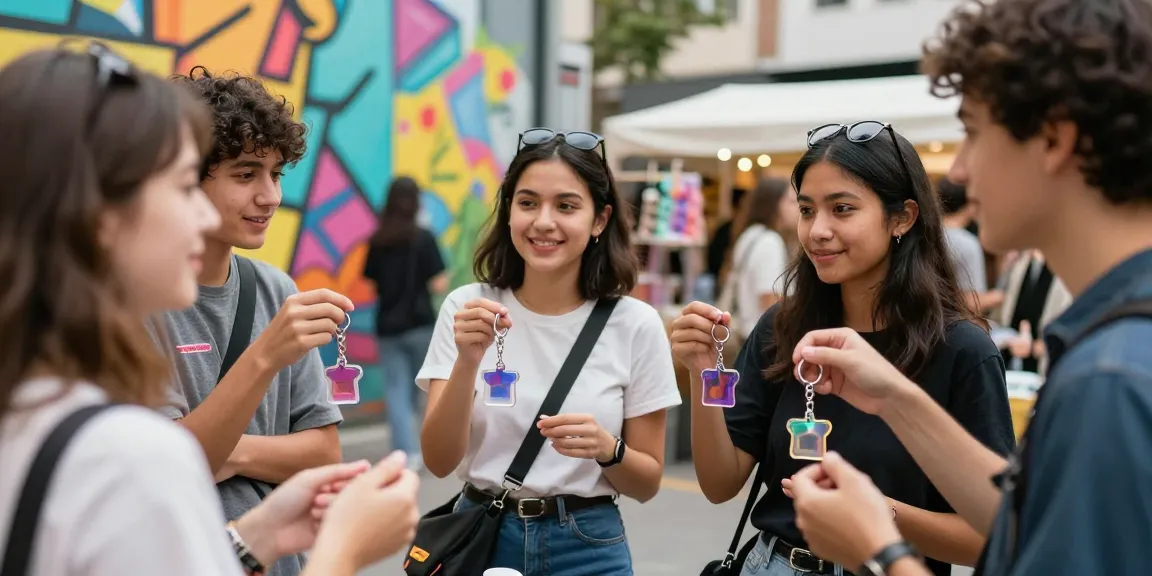
In 2026, the demand for personalized keychains continues to rise. Consumers are looking for unique designs reflecting their personality, interests, or brand identity. Customisation options such as the ability to add names, dates, or personal images are increasingly popular, allowing keychains to serve as personal mementos.
Eco-Friendly Custom Keychain Options
As sustainability becomes more critical to consumers, eco-friendly custom keychains are gaining traction. Brands are focusing on materials that reduce environmental impact, such as biodegradable plastics or sustainably sourced wood. This shift not only appeals to eco-conscious consumers but also sets brands apart in a crowded market.
Integration with Technology
Integrating technology into custom keychains is another trend expected to flourish by 2026. Smart keychains equipped with Bluetooth technology can help users locate lost items via their smartphones. This blend of functionality with personalization appeals to tech-savvy consumers who appreciate innovative solutions for everyday challenges.
Practical Uses and Applications
Marketing and Promotional Uses
Many businesses utilise custom keychains as promotional items. They are an effective marketing tool due to their practicality and the ability to reach a broad audience. Businesses can easily include their branding on keychains, ensuring visibility with every use. Creative designs can make keychains enticing giveaways at events, enhancing brand recognition.
Personal Gifts and Collectables
Custom keychains have also emerged as popular gift items. They can commemorate significant life events such as birthdays, anniversaries, or graduations. Collectors seek out limited-edition keychains, often based on favourite franchises or artists, making them valuable as collectibles. Personalised keychains can serve as heartfelt gifts that convey sentiment and thoughtfulness.
Functional and Everyday Use Keychains
Beyond their aesthetic appeal, keychains are utilitarian. They serve as reliable tools for holding keys but can also incorporate additional functions like bottle openers or mini flashlights. This versatility makes them a must-have accessory for everyday use.
How to Choose the Right Custom Keychain
Identifying Your Target Audience
Understanding your target audience is key to selecting the right custom keychain. Different demographics have varying preferences in design, material, and functionality. By conducting market research, businesses can tailor their offerings to meet the specific needs and desires of their target market.
Design Considerations and Preferences
When designing a custom keychain, it’s crucial to consider colour schemes, shapes, and overall aesthetics. Engaging designs that align with current trends will attract more attention. Simplicity often resonates best, so aim for a clean, clear design that communicates the intended message effectively.
Budgeting for Custom Keychains
Budgeting is essential when planning for custom keychains. Costs can vary significantly based on materials, printing techniques, and order quantities. Establishing a clear budget will guide choices and ensure that the custom keychains are both economically feasible and high in quality.
What Materials Are Best for Custom Keychains?
Choosing the right material is critical to the effectiveness of custom keychains. For promotional purposes, durable materials like metal and thick acrylic are preferred for their longevity. In contrast, for personal gifts, softer materials like wood or eco-friendly options may better suit the aesthetic preference of the recipient.
How Can I Market My Custom Keychains Effectively?
Effective marketing strategies for custom keychains include leveraging social media to showcase unique designs and customer stories. Additionally, partnerships with influencers can enhance visibility. Creating visually appealing content that highlights the unique features and purposes of the keychains will draw potential customers to your offerings.
What Are the Most Popular Designs in 2026?
In 2026, popular custom keychain designs include whimsical shapes, minimalist styles, and eco-conscious messages. Keychains featuring pop culture icons and trending themes provide a connection to current interests, making them appealing choices for consumers looking to express their personalities.
How Do I Ensure Quality in Custom Keychains?
To ensure quality, it’s essential to choose reputable manufacturers who employ robust quality control measures. Requesting samples before placing bulk orders can help gauge the workmanship and materials used. Also, reviews and testimonials from previous customers can provide insights into the reliability of the supplier.
What Sustainability Options Are Available for Custom Keychains?
Sustainable options for custom keychains include the use of recycled materials, biodegradable plastics, and sustainably sourced wood. Some manufacturers are now also employing eco-friendly printing technologies to further reduce their carbon footprint. Choosing these options not only supports environmental preservation but can also resonate well with eco-conscious consumers.