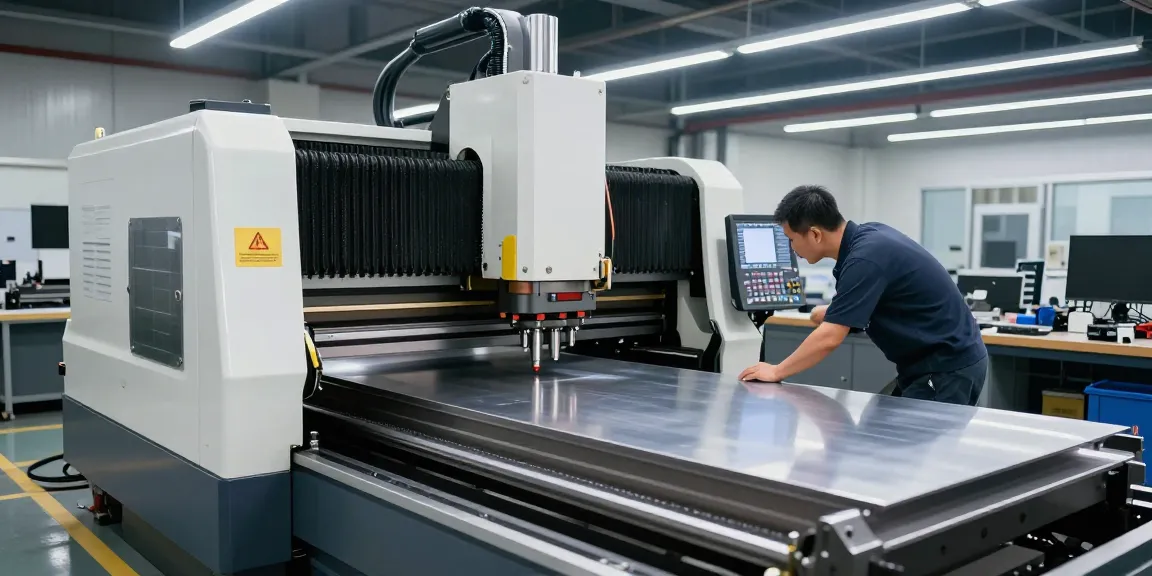
Understanding CNC Press Brake Machine Technology
In the realm of modern manufacturing, the cnc press brake machine stands as a pivotal tool, transforming how metal bending is approached. These machines harness advanced technology to ensure precision, efficiency, and versatility in bending a variety of metal sheets. By leveraging computer numerical control (CNC), manufacturers can achieve high levels of accuracy and reproducibility, vital for industries ranging from automotive to aerospace.
What is a CNC Press Brake Machine?
A CNC press brake machine is a vital piece of equipment in sheet metal fabrication, employed to bend or shape metal into desired angles and positions. The ‘CNC’ in its name signifies that it is controlled via a computer program, allowing for automated, precise adjustments while minimizing human error. The typical CNC press brake uses a combination of hydraulic systems and electro-hydraulic proportional valves to achieve targeted bending angles, ensuring consistent results with every operation.
Benefits of Using CNC Technology in Press Brakes
The integration of CNC technology into press brakes yields significant advantages, including:
- Enhanced Precision: CNC press brakes can manipulate materials with an accuracy of ± 0.01mm, facilitating complex designs that require meticulous specifications.
- Increased Efficiency: Automated programming and setup reduce the time spent on preparing the machine for production runs, thus allowing for shorter lead times and enhanced throughput.
- Repeatability: CNC machines maintain consistent performance across numerous cycles, ensuring uniform quality in production without substantial operator intervention.
- Flexibility: With CNC systems, users can easily modify programming parameters to accommodate varied bend angles and workpiece dimensions, enhancing the machine’s application versatility.
Components of a Modern CNC Press Brake System
A typical CNC press brake machine consists of several key components that collectively facilitate its operation:
- Frame: The machine’s structural foundation, typically made from high-strength materials to withstand the forces exerted during bending.
- Hydraulic System: Provides the necessary force for bending, controlled either manually or automatically through CNC.
- CNC Control System: The brain of the machine, where operators can input specifications and controls, often utilizing user-friendly software interfaces.
- Backgauge System: Enables precise positioning of the metal sheet for accurate bends, adjustable to align with different size materials.
- Crowning System: Compensates for any deflection that may occur in the work table under stress, ensuring consistent bend accuracy.
Key Metrics for Monitoring CNC Press Brake Performance
Understanding the performance of a CNC press brake machine is crucial for maintaining productivity and efficiency in manufacturing operations. Key metrics to monitor include precision and accuracy measurements, production efficiency metrics, and overall machine utilization rates. Regularly analyzing these metrics can help operators identify areas for improvement and ensure the machine operates at peak performance.
Precision and Accuracy Measurements
Precision in metal bending is essential, and measuring it can involve checking the angular accuracy of bends and the straightness of finished edges. Utilizing tools such as laser measurement systems can drastically improve accuracy assessments, allowing rapid adjustments to be made based on real-time data.
Production Efficiency Metrics
Production efficiency can be gauged through metrics such as cycle time, material utilization rates, and downtime. By configuring machines for optimal efficiency—such as optimizing bend sequences and minimizing tool changes—manufacturers can significantly reduce waste and increase output.
Machine Utilization Rates
Tracking machine utilization rates helps manufacturers determine how often machines are operated versus how often they are idle. High utilization rates indicate effective scheduling and deployment but can also signal overuse, which may lead to increased wear. Balanced operation schedules can help mitigate maintenance needs and prolong machine lifespan.
Advanced Features of CNC Press Brake Machines
Modern CNC press brake machines come equipped with a range of advanced features that enhance their capabilities and usability in various manufacturing environments. From automation integration to customizable software solutions, these innovations play a crucial role in streamlining operations and maximizing output.
Integration of Automation and Robotics
Automation in CNC press brakes is revolutionizing manufacturing, allowing for the seamless integration of robotic systems. Automated bending robots can execute complex operations with precision and repeatability, reducing the labor required and minimizing human error. These robots can work alongside CNC systems, providing dynamic responses to real-time changes in production demands.
Software and Firmware Advances for Improved Operations
Advancements in software and firmware for CNC systems offer intuitive programming options that enhance functionality. Features like graphic programming interfaces simplify the creation of bending programs, enabling operators to design complex bends visually rather than numerically, improving operator efficiency and reducing training time.
Customization Options for Diverse Applications
Manufacturers can now find CNC press brake solutions that cater to specific industry needs through customizable configurations. Options include varying capacities, specialized tooling for different materials, and even custom software features that accommodate unique bending processes, making these machines adaptable for diverse applications.
Future Trends in CNC Press Brake Machinery
As the manufacturing landscape continues to evolve, CNC press brake technology is poised to adapt to emerging trends, which will shape the future of metalworking. Innovations in AI, sustainable designs, and advancements in automation are critical components that will define the future of CNC press brakes.
Innovative Technologies Shaping the Industry
Emerging technologies such as IoT and blockchain are beginning to influence CNC press brake operations. IoT-enabled machines can provide valuable data insights for predictive maintenance, ensuring machines operate efficiently while minimizing downtime. Moreover, blockchain can facilitate traceability in the supply chain, ensuring high-quality materials are used throughout the production process.
Impact of AI and ML on Machine Performance
Artificial intelligence (AI) and machine learning (ML) are making substantial impacts on the operational efficiency of CNC press brakes. These technologies can analyze vast amounts of operational data to optimize machine performance, predict failures before they occur, and even automate the adjustment of parameters to maintain quality standards without human intervention.
Sustainability and Energy Efficiency in Manufacturing
With a growing emphasis on sustainability, manufacturers are increasingly seeking CNC press brakes that offer energy-efficient operations. Hybrid servo press brakes, for example, utilize power more efficiently, reducing energy consumption while maintaining high-performance output. This trend not only sows economic benefits but also aligns with global efforts towards environmental sustainability in manufacturing.
Practical Tips for Operators and Technicians
For operators and technicians working with CNC press brake machines, adopting best practices is essential to ensure safety, efficiency, and longevity of the machinery. From regular maintenance to adhering to safety protocols, these practices define a successful operational environment.
Routine Maintenance Best Practices
Routine maintenance is crucial for the longevity and performance of CNC press brake machines. Operators should implement a regular schedule for inspection and maintenance, focusing on hydraulic fluid levels, wear of the tooling, and calibration of the CNC controls to ensure optimal operation. Modern diagnostic tools can assist in identifying potential issues before they lead to significant breakdowns.
Safety Protocols for CNC Press Brake Operations
Ensuring safety in a production environment is paramount when operating CNC press brakes. Operators must be trained in safety protocols that include wearing appropriate PPE, understanding emergency stops, and following lockout/tagout procedures. Regular safety drills can also reinforce awareness and preparedness among operators, mitigating risks of workspace accidents.
Training and Development for Enhanced Skills
As technology continues to advance, ongoing training and skills development for operators and technicians becomes increasingly important. Participating in training programs that cover both the technical and operational aspects of CNC press brake machinery can empower operators, enabling them to leverage the technology fully and maintain high productivity standards.
FAQs
What is the average lifespan of a CNC press brake machine?
The lifespan of a CNC press brake machine can vary greatly depending on several factors, including the type of machine, frequency of use, and maintenance practices. On average, well-maintained CNC press brakes can last anywhere from 10 to 20 years, making regular maintenance crucial to extending this timeline.
How to choose the right CNC press brake for my business?
Choosing the appropriate CNC press brake involves evaluating specific business needs, including the types of materials and thicknesses processed, production volume, desired accuracy, and budget. Consulting with equipment suppliers or evaluating user requirements with expert insights can guide the selection process effectively.
What are the common issues faced with CNC press brakes?
Common issues associated with CNC press brakes include inaccuracies in bends, hydraulic system leaks, and wear of tooling. Regular calibration and maintenance, along with monitoring performance metrics, help minimize these issues and maintain operational efficiency.