Understanding Image to Image AI
Image to image AI represents a significant advancement in artificial intelligence, focusing on transforming visual content through algorithmic manipulation. This technology allows users to convert images into different styles, enhance quality, or make variations based on specific input criteria. As we advance through 2026, understanding how this technology operates and its implications can empower businesses and creators alike. When exploring options, image to image ai provides comprehensive insights into these transformative processes.
What is Image to Image AI?
At its core, image to image AI leverages deep learning models, particularly generative adversarial networks (GANs), to interpret and recreate images. By training on large datasets, these models learn the intricate features of images, allowing them to generate new visuals that can range from photorealistic representations to stylized artistic renditions.
Key Benefits for Businesses and Creators
- Enhanced Creativity: Artists and designers can explore new creative avenues by generating variations of their work or combining different styles, inspiring innovative ideas.
- Cost Efficiency: Automated generation of images reduces the need for extensive manual design work, streamlining workflows and minimizing costs.
- Customization: Businesses can tailor images according to specific branding guidelines or target demographics, creating personalized marketing materials.
- Rapid Prototyping: Companies can use image to image AI for quick iterations and concept visualizations, expediting the design process significantly.
Current Trends and Innovations in 2026
As of 2026, image to image AI has seen remarkable innovations. New algorithms have improved image quality and conversion speed, making it accessible for smaller businesses and individual creators. Additionally, integration with augmented reality (AR) and virtual reality (VR) has opened up new markets, allowing for interactive content creation that was previously unimaginable.
Applications of Image to Image AI
Transforming Graphic Design Processes
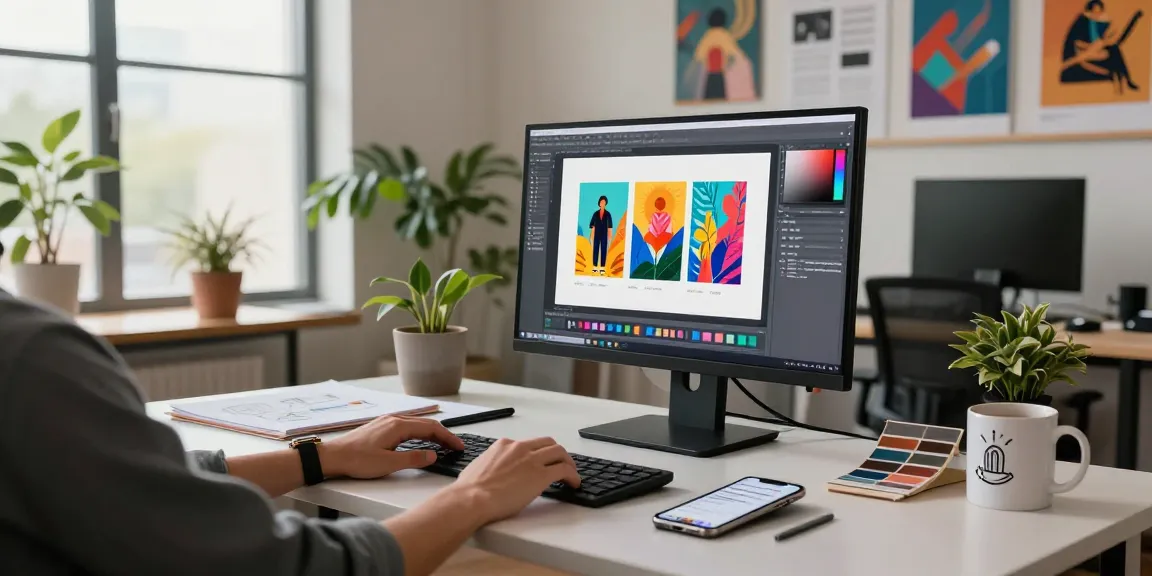
The graphic design industry has embraced image to image AI, where tools can quickly generate numerous design variations. This allows designers to experiment without the constraints of time or resource limitations, fostering a more dynamic and creative workflow. Tools that can intelligently adapt user inputs can redefine what it means to be a designer in a tech-driven landscape.
Enhancing Marketing and Advertising Campaigns
Marketing teams utilize image to image AI to create tailored advertisements that resonate with specific audiences. By analyzing engagement metrics from previous campaigns, AI can adjust visuals to optimize for better performance. For instance, a clothing brand can generate multiple imagery reflecting different styles and target demographics simultaneously, ensuring the highest engagement rates.
Real-World Case Studies in Various Industries
Several industries have harnessed the potential of image to image AI. For example, in the fashion industry, brands like Zara are using AI-generated visualizations to forecast trends and create innovative garment designs. Meanwhile, the automotive sector employs this technology to visualize customizations, allowing potential buyers to see modifications in real-time before making a purchase decision.
Challenges in Implementing Image to Image AI
Common Misconceptions and Myths
One prevalent myth is that image to image AI can fully replace human creativity. While it can enhance and provide new creative avenues, it lacks the nuanced understanding that human artists possess. Additionally, many believe that implementing such technology is quick and easy; however, substantial training and fine-tuning of models are often required.
Technical Limitations and Solutions
Despite its advancements, image to image AI comes with technical limitations, such as dependency on high-quality training data. Poor data can lead to subpar output, which can hinder a project. Ongoing research into developing better datasets and refining algorithms is essential to mitigate these issues and enhance the capabilities of AI systems.
Addressing Ethical Concerns in AI-generated Content
Ethical concerns surrounding AI-generated content are gaining traction, particularly regarding copyright and originality. As the lines between human and AI-generated art blur, establishing clear guidelines that protect creators' rights while fostering innovation is crucial for the industry. Open discussions and collaborations between technologists and ethical committees can help navigate these challenges.
Best Practices for Leveraging Image to Image AI
Effective Techniques for Seamless Integration
Integrating image to image AI into existing workflows requires strategic planning. Businesses should consider gradual integration, starting with small projects to assess the technology’s suitability. Moreover, training staff and providing them with the necessary tools and knowledge will ensure a smoother transition into a more AI-enhanced design process.
Measuring Success: KPIs and Metrics
To understand the return on investment from image to image AI, businesses must establish clear key performance indicators (KPIs). Metrics such as engagement rates, conversion rates, and time saved in the design process can provide valuable insights into the effectiveness of AI implementations. Regularly reviewing these metrics will help refine strategies and maximize outcomes.
Tips from Industry Leaders and Experts
Industry leaders emphasize the importance of creativity when utilizing image to image AI. They suggest using the technology as a tool to enhance existing creative capabilities rather than replace them. Collaborating with artists and designers ensures that the output remains appealing and relevant while benefiting from the speed and efficiency of AI.
The Future of Image to Image AI
Emerging Technologies and Innovations
The future of image to image AI is intertwined with advancements in machine learning technologies, particularly in neural networks. Innovations such as attention mechanisms and diffusion models will likely play a significant role in enhancing the quality and accuracy of AI-generated imagery.
Predictions for the Next Five Years
Looking ahead, we can expect image to image AI to become ubiquitous across various sectors, from entertainment to healthcare. For instance, personalized AI-generated content may become standard in customer service interactions, enabling businesses to create customized experiences at scale.
Preparing Your Business for Future Developments
To stay ahead in the evolving landscape of image to image AI, businesses should foster a culture of innovation and adaptability. Investing in training and keeping abreast of technological advancements will equip teams with the necessary skills to leverage AI effectively, ensuring competitiveness in a rapidly changing market.